Last season (fall 2018) I started a compost pile for the falling leaves of the four trees in our yard. I did it to reduce the number of twenty-plus 34 gallon leaf bags I had to fill and set at the curb to be picked up by the city. The fee charged for the pickup is included in the monthly city garbage pickup fee. The city allows leaves to be placed in open containers as opposed to bags for curbside pickup. Unless you just have an affinity for moving containers of leaves around, bagging is preferable. If you think stuffing leaves into a paper bag is a good waste of paper bags, you opt for a compost pile. More importantly, if you learn a little, as I did, about what happens on a forest ground with falling leaves, you sort of like the idea of a compost pile.
My original compost bin was constructed from pallets. These pallets were the same pallets on which I received the four hundred retainer bricks I used to build the raised garden sitting on top of the French drain I made in 2017 (see below).
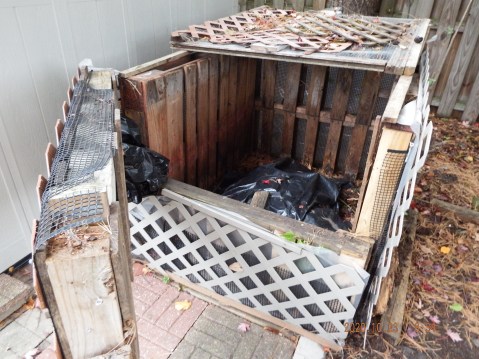
Figure 1: Compost bin constructed from four HT (heat treated, not MB) pallets. Not much thought went into its construction because was designed simply to contain leaves and compost material and keep pests (primarily racoons) out. The bin measured 4 feet wide and long and 4 feet high.
I placed brown leaves from the yard into the bin in the fall of 2019 after finishing the compost construction in July 2019. For the next seven months I added kitchen waste–greens discards, a few grass clippings, coffee grinds, egg shells, etc.. I stopped adding material to the bin at the beginning of April 2020. I did not anticipated having compost soil until a year later.
This year we cut down a forty-year-old Black Locust tree in the front yard, leaving a whittled down tree stump about five inches below ground level. To my complete and utter surprise the compost pile I started last year contained enough compost soil to cover and level the stump area. I planted new grass and ten days later I had grass.
New Compost Bin
My success with the do-it-yourself compost bin prompted me to go a step toward “professional”. I purchased a GEOBIN Compost System and a compost thermometer. Nothing spells professional more than a compost thermometer.
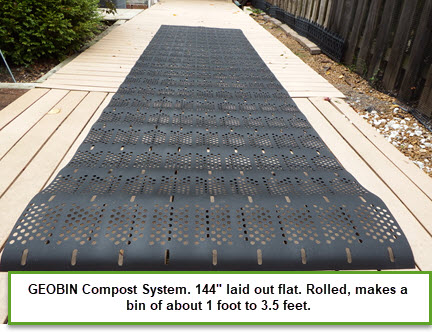
Figure 2: GEOBIN Compost System is shipped as a roughly 6 inch square, 4 feet long boxed tube along with closure keys and an instruction sheet with all the information necessary to put it together.
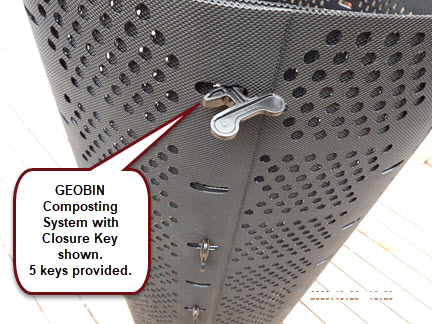
Figure 3: The circumference of the bin is determined by how many times you wrap the material around in a circle. I wrapped it three time in order to get a bin measuring roughly a foot and a half in circumference. (Volume equals pi [3.1415] times radius squared times height–in case you want to know).
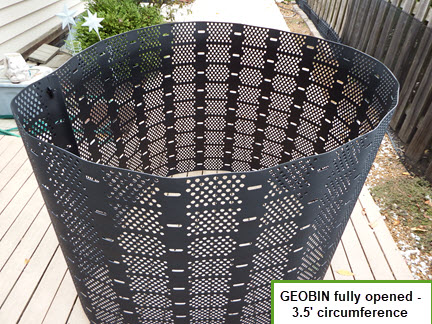
Figure 4: The picture above is the bin fully wrapped to its 4 feet circumference. The instructions recommend extending to only 3 and ½ feet by not placing the keys in the first key slots. The determining factor as to how big the bin should be is the amount of material you anticipate putting into it.
Having already started my DIY compost bin with grass cuttings, kitchen scraps and fall leaves, I decided to place the GEOBIN next to my old bin and start filling it with the first leaf fall of the season.

Figure 5: Compost bin made from shipping pallets on the left with lattice siding and new GEOBIN compost bin on the right.
It took roughly a year for the leaves, grass clippings and kitchen scraps to disintegrate into soil in my DIY bin. While I have read that the proportion of brown (leaves) to green material (grass clippings, kitchen vegetable waste, coffee grinds) is important in determining how long it takes for the pile to be reduced to dirt (or humus for predominately green matter0, I really did not pay any attention to proportions. There was definitely more leaves than grass. After using the DIY soil to fill the void left by the Black Locust tree, I started the new pile again with mostly leaves.
 Figure 6: GEOBIN compost bin quarter filled with shredded leaves, grass clippings and vegetable kitchen scrap.
A week after starting the GEOBIN pile, the internal temperature had reached an optimal one-hundred and thirty degrees. By the fall of 2021 I expect to have enough dirt to level-off a few spots in my lawn.
 Barnesfolio
Leave a Comment